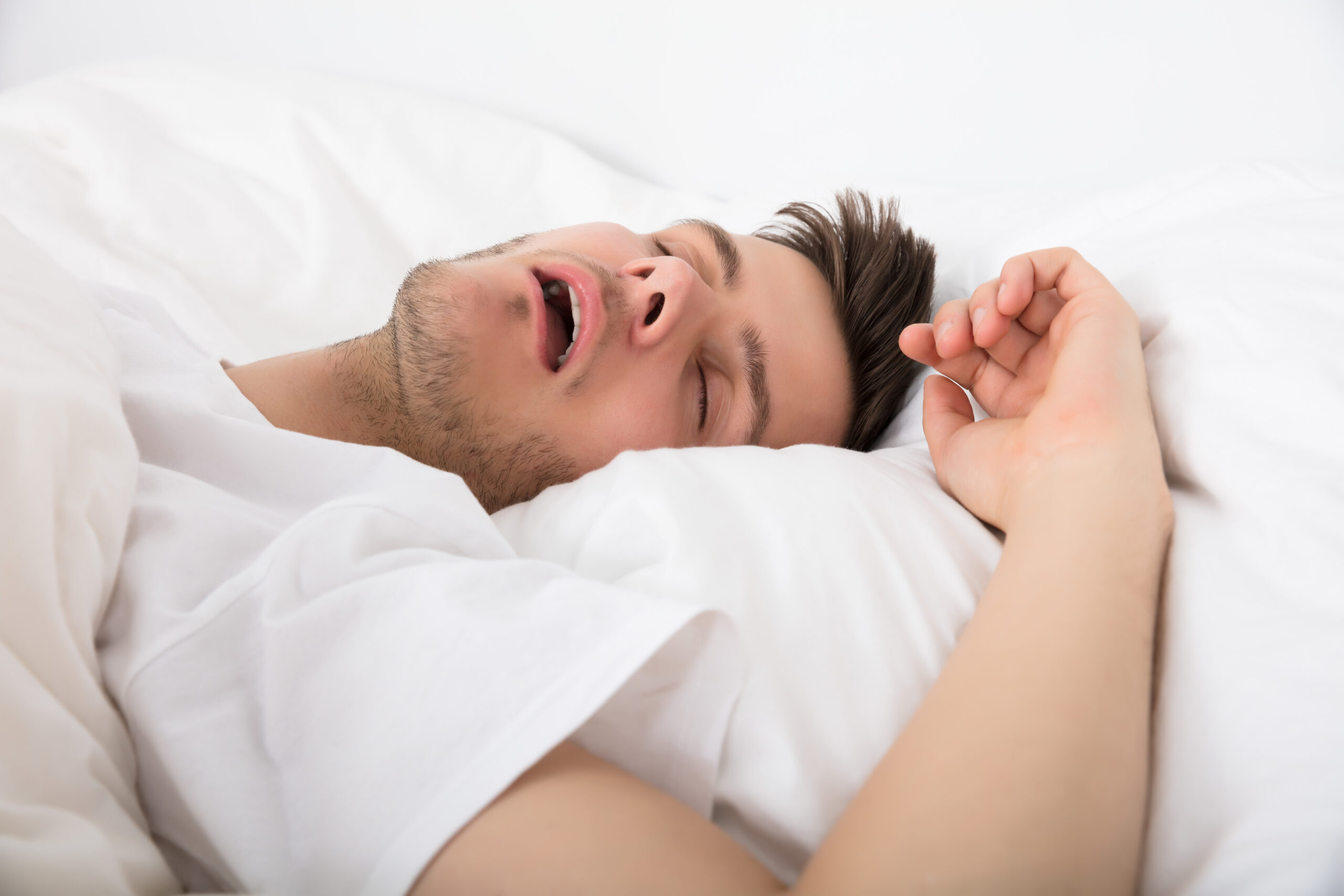
Untreated Sleep Apnoea is very concerning because repeated fluctuations in circulating Oxygen, with disrupted Sleep, places chronic stress on the Cardiovascular system, including the Heart, Blood Vessels, Brain and Metabolism, increasing the risk of cardiovascular disease (Cleveland Sleep Clinic)
What happens in untreated Sleep Apnoea?
With Obstructive Sleep Apnoea, the airway (Oropharynx) repeatedly collapses inward during Sleep, causing pauses in breathing (Apnoeas) or Shallow Breathing (Hypopnoeas). Each event lowers blood Oxygen (Hypoxia) which jolts partial wakefulness, with a surge of stress hormones to re-open the airway, by prompting Breathing, reinitiating the cycle of Respiration, until the next airway collapse. This causes another cycle of low circulating Oxygen to reach levels where the jolt to recommence breathing occurs. This cycle can happen several times per night, fragmenting Sleep and preventing quality deep, restorative Sleep stages, required for Good Health.
Effects on the Heart and Blood Pressure
Those repeated oxygen drops and stress-hormone surges can cause blood pressure rises, keeping the cardiovascular system in “fight or flight” mode at nighttime. Over time, this increases the risk of persistent high blood pressure, which can lead to heart disease, heart attacks, abnormal heart rhythms (e.g. atrial fibrillation) and potential stroke. Studies show that more severe untreated OSA is linked to higher rates of cardiovascular events (Cleveland Sleep Clinic)
Effects on the Brain, Mood and Safety
Poor-quality, fragmented sleep often leads to issues with Concentration, Memory, Decision-making and often reaction time. Untreated Sleep Apnoea may lead patients to experience depression, anxiety, irritability and an overall lower quality of life. Daytime sleepiness and “microsleeps” significantly increase the risk of serious road traffic and workplace accidents, comparable in impact to alcohol impairment. (Stanford Sleep Centre)
Metabolic and diabetes risks
Untreated Sleep Apnoea can often disrupt glucose metabolism and increases insulin resistance, which raises the risk of developing type 2 diabetes and can make established diabetes, harder to control.
It also contributes to weight gain through hormonal effects on appetite and metabolism, feeding a very challenging cycle where obesity worsens OSA and OSA worsens obesity (Harvard Division of Sleep Medicine)
Other organ systems and long-term damage
Chronic oxygen fluctuations, with inflammation can damage blood vessels and organs over time, increasing risks of stroke, fatty liver disease and some eye problems (for example, certain Optic Nerve disorders and possibly Glaucoma). People with untreated OSA may also develop or worsen pulmonary hypertension, Headaches on waking and Acid reflux effecting potential alterations in life expectancy (Harvard Sleep research clinic)
Day-to-day impact on life
Even before these long-term complications appear, untreated Apnoea may severely affect daily functioning, relationships and work performance due to fatigue, poor concentration and mood changes. Many patients (and their partners) also struggle with the disturbance of nightly loud snoring and gasping, disturbed sleep, which adds further strain at home and socially.
Why does early diagnosis and treatment matter?
Diagnosing and treating Sleep Apnoea (with CPAP therapy or Mandibular Advancement Devices therapy) improves symptoms as outlined above and thereby reduce the risk of many of these complications developing.
If you are concerned about symptoms which could potentially be Sleep Apnoea, please email: info@beaconshc.ie or info@beacondentalsleep.ie, leaving an outline of your concerns associated with nighttime breathing changes, nighttime noise/gasping or daytime symptoms which are causing concern to you, or others, and we will revert to you as soon as possible.
www.beacondentalsleep.ie
www.beaconshc.ie