Many people are unaware of how their breathing changes while working at a screen. While reading emails, typing replies, or waiting for messages, our breathing can often become shallow without us noticing. At times, we may even hold our breath for several seconds.
Within emerging social discourse, this experience of holding one’s breath while working is referred to as ‘Screen Apnoea’ or ‘Email Apnoea’. It is a developing area of public conversation, and a social and cultural phenomenon rather than a medical diagnosis: a term used to describe the unconscious breath-holding or shallow breathing some people report during periods of focused screen use, particularly in the workplace.
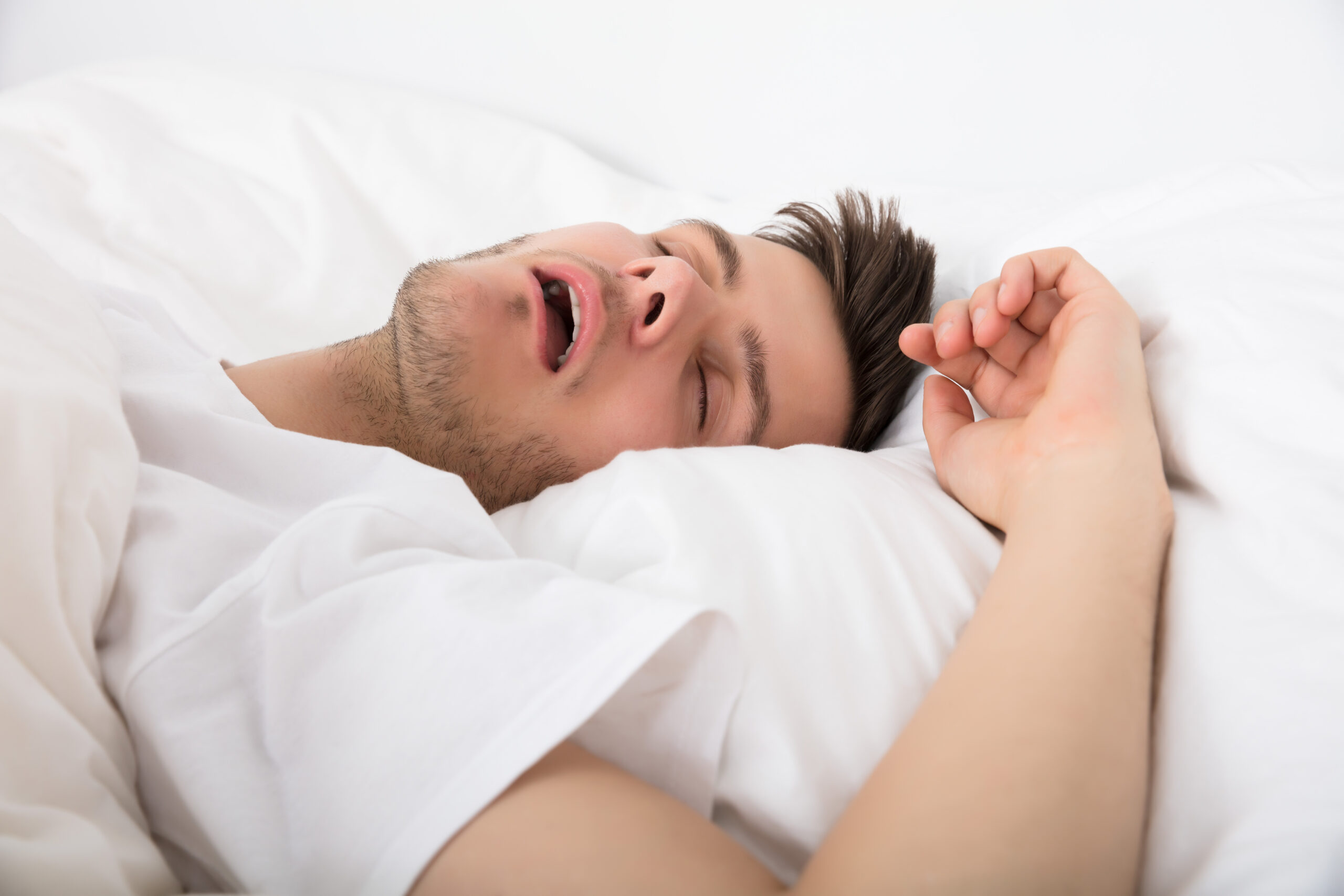
Screen Apnoea should not be confused with Sleep Apnoea, which is a distinct, diagnosable medical condition. Rather, it describes a pattern many people recognise: when we are concentrating, under pressure, or waiting for a response, our awareness of breathing and posture can fade.
The term was coined by researcher and former Microsoft executive Linda Stone, who noticed that she often held her breath while answering email. She later observed a similar pattern in others. Her findings were informal rather than large-scale clinical research, but it began an important conversation about our relationship with our breathing when we are engaged in digital realms or stressful environments.
Why it happens
Our screens demand our attention. While we are using them we tend to read quickly, respond quickly, mentally posture ourselves to stay alert for the next notification or task. While in this digital space, our breathing is often responding not only to the physicality of the screen itself, but to the content of the task on the screen: the tone of an email, an approaching deadline, or the expectation of a reply.
Combined with long periods spent seated, this can lead to tension in the shoulders, a more hunched posture, and breathing that becomes shorter and higher in the chest: a common response to stress and sustained concentration, particularly during busy periods.
Why it matters
When breathing becomes shallow or temporarily held, it may reinforce feelings of tension, stress and anxiety. Over the course of a long working day, these patterns may contribute to symptoms such as tension and fatigue, as well as a persistent sense of being ‘on’. Shallow chest breathing can reinforce this response: when breathing becomes faster and less efficient, the body may continue to interpret it as a sign of stress, or even danger.
Breathing properly has an immense positive impact on our health and well-being. Slow breathing lowers our stress levels, increases focus, while working to regulate our emotions and nervous system.
Recognising this pattern can be beneficial. Because breath-holding and shallow breathing often occur subconsciously, noticing when they happen is a useful first step. Small changes throughout the working day can support healthier breathing patterns without requiring significant changes to how you work.
Simple ways to reset
Recognising this pattern can be beneficial. Because breath-holding and shallow breathing often occur subconsciously, noticing if they are happening is a useful first step. Small changes throughout the working day can support healthier breathing patterns without requiring significant changes to how you work.
Try pausing before opening your inbox or joining a call, and briefly observing your breathing. If you notice you have been breath-holding while typing or reading, try softening your shoulders, relaxing your jaw, and allowing a full exhale. These steps can help interrupt the pattern.
Slow, unhurried breathing, such as inhaling gently for a count of four and exhaling for a count of six, is another approach some people use during the working day. Regular breaks from the screen, standing, changing position, and taking a few moments away from focused tasks can also work to support healthy posture and breathing patterns.
When to seek advice
Occasional shallow breathing or breath-holding during a busy day is common. However, if you regularly experience breath-holding alongside ongoing dizziness, chest tightness, faintness, or disrupted sleep, it is important to discuss this with a healthcare professional.
If you snore loudly, wake unrefreshed, feel excessively sleepy during the day, or have been told that you stop breathing at night, this may be a sign of sleep-disordered breathing or sleep apnoea and should be investigated.
If you suspect you may have Sleep Apnoea, Sleep Disordered breathing please
Contact us at info@beaconshc.ie or call 01 531 0088.